Weekend in Luxembourg: Bock Casemates, Hiking and Ham Radio
#Radio#TravelFor the weekend around Easter 2026, I planned a short trip to Luxembourg - Germany’s smallest neighbor. Known for its rich history and beautiful nature, it’s a great place to visit for a weekend trip.
Journey
Thanks to the Deutschlandticket and free public transport in Luxembourg, getting there cost me no money. However, due to delays and changing trains multiple times over the twelve-hour trip, it was still nerve-wracking. Nevertheless, I didn’t miss a single connection and the Deutsche Bahn ended the journey with a reassuring message for all its passengers:
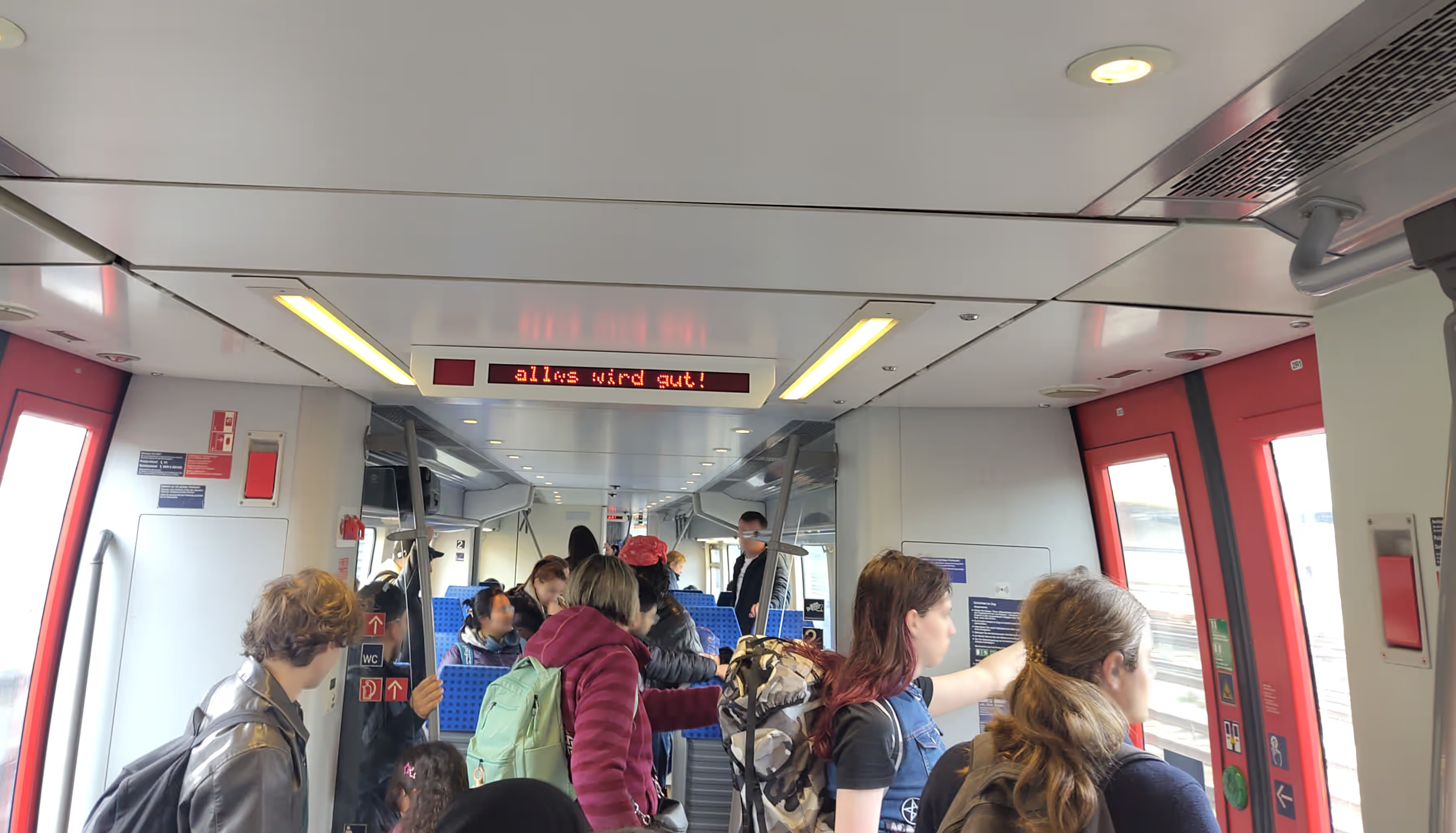
I did not travel straight to Luxembourg; instead, I first stopped in Trier, where I spent each night during the trip due to more affordable accommodation. Getting to Luxembourg from Trier was easy - the train departs every hour and takes about 45 minutes to Luxembourg City.
Luxembourg City
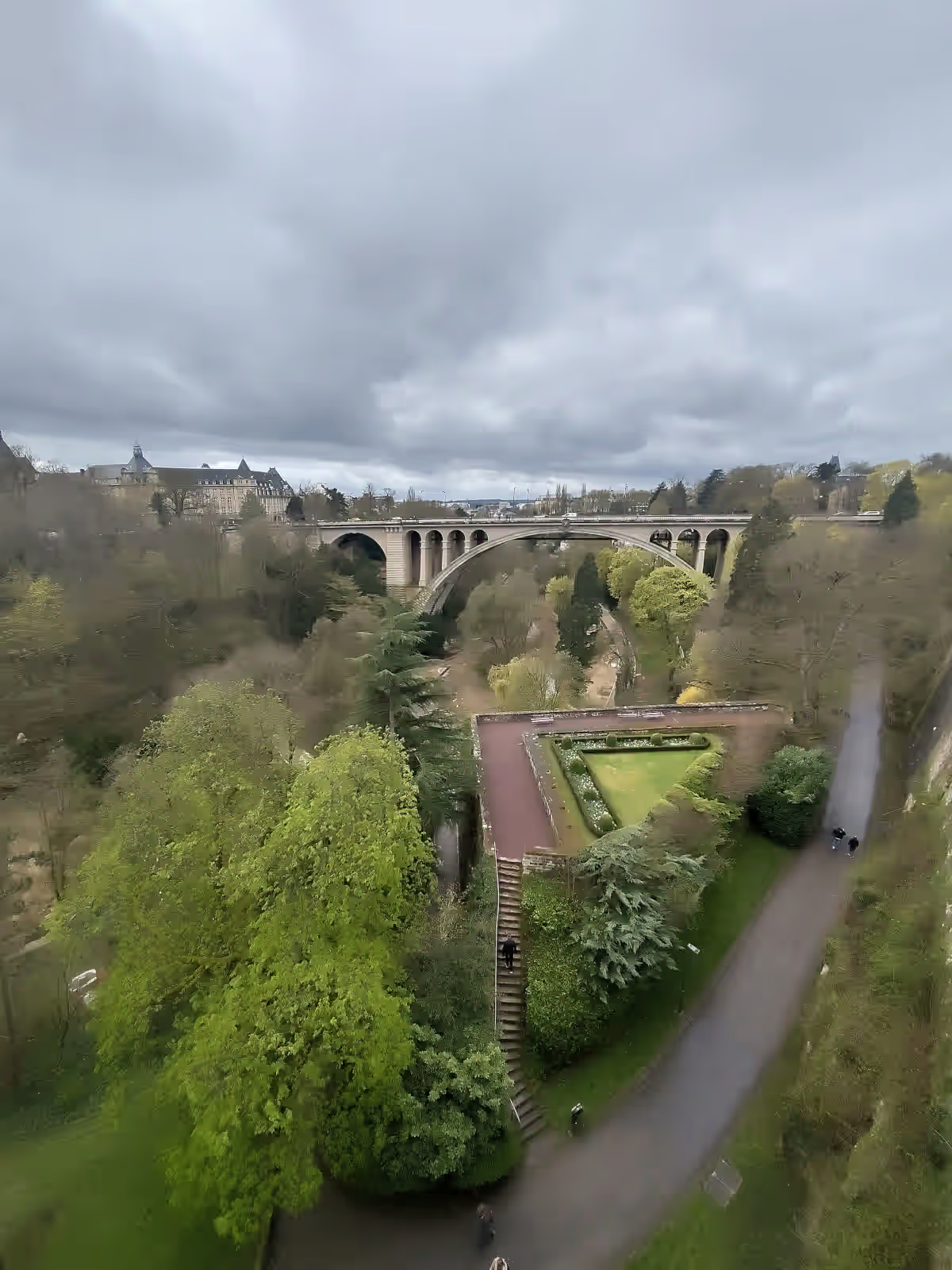
On Saturday, April the 4th, I took the train from Trier to Luxembourg City. Starting from the central station, I first crossed the famous Adolphe Bridge. The bridge separates Gare, the district containing the central station from the Ville Haute - the historic center of the city.
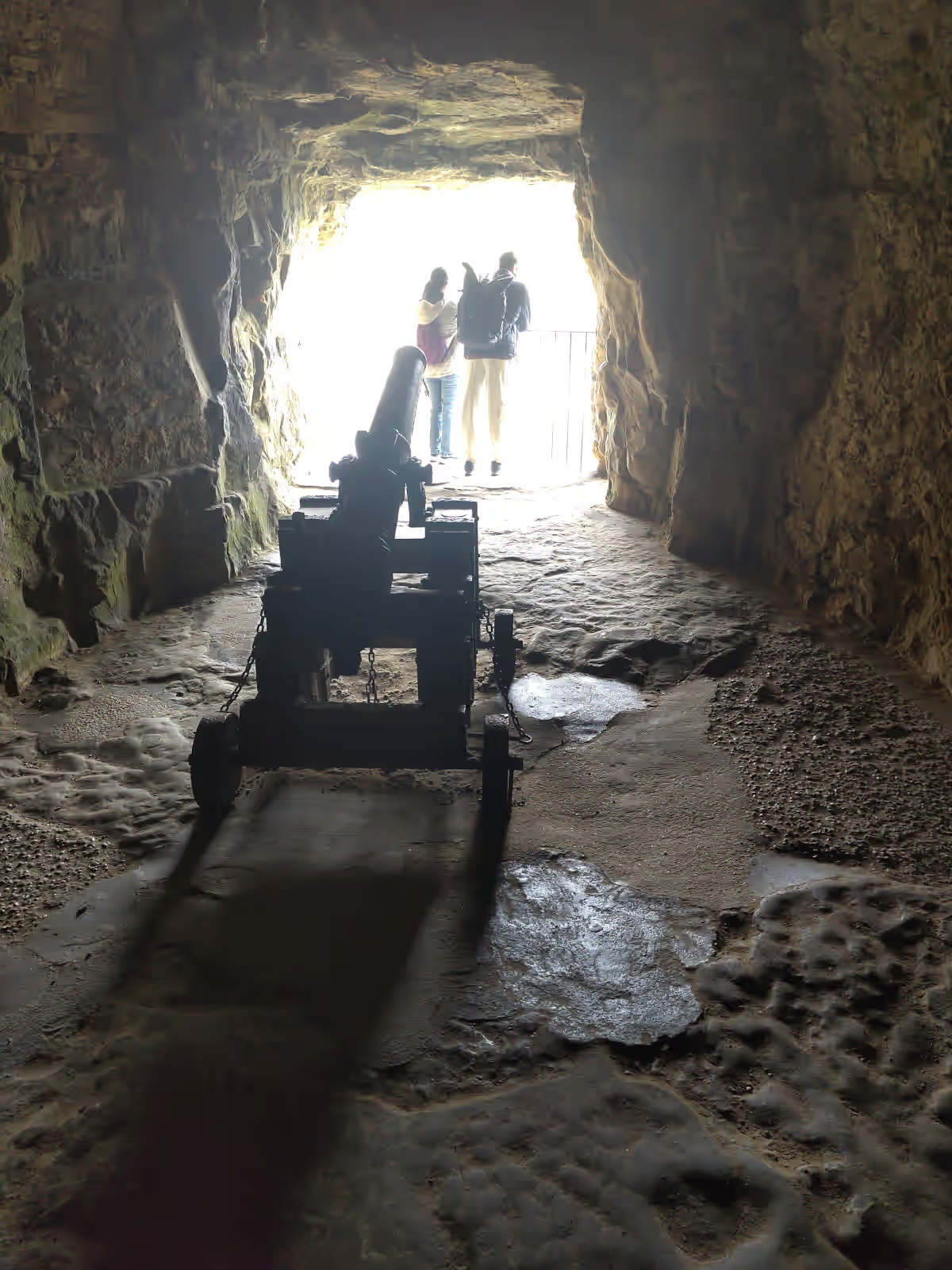
A must-visit in Luxembourg City is the Bock Casemates. These 17th-century underground tunnels were carved into the rocks as defensive measures for the city and are now a popular attraction. Exploring them requires a fee of 11 € (9 € for students) and is limited to 45 minutes per ticket - although the time limit isn’t strictly enforced, I found the 45 minutes sufficient for a walkthrough and taking a few pictures.
Mullerthal
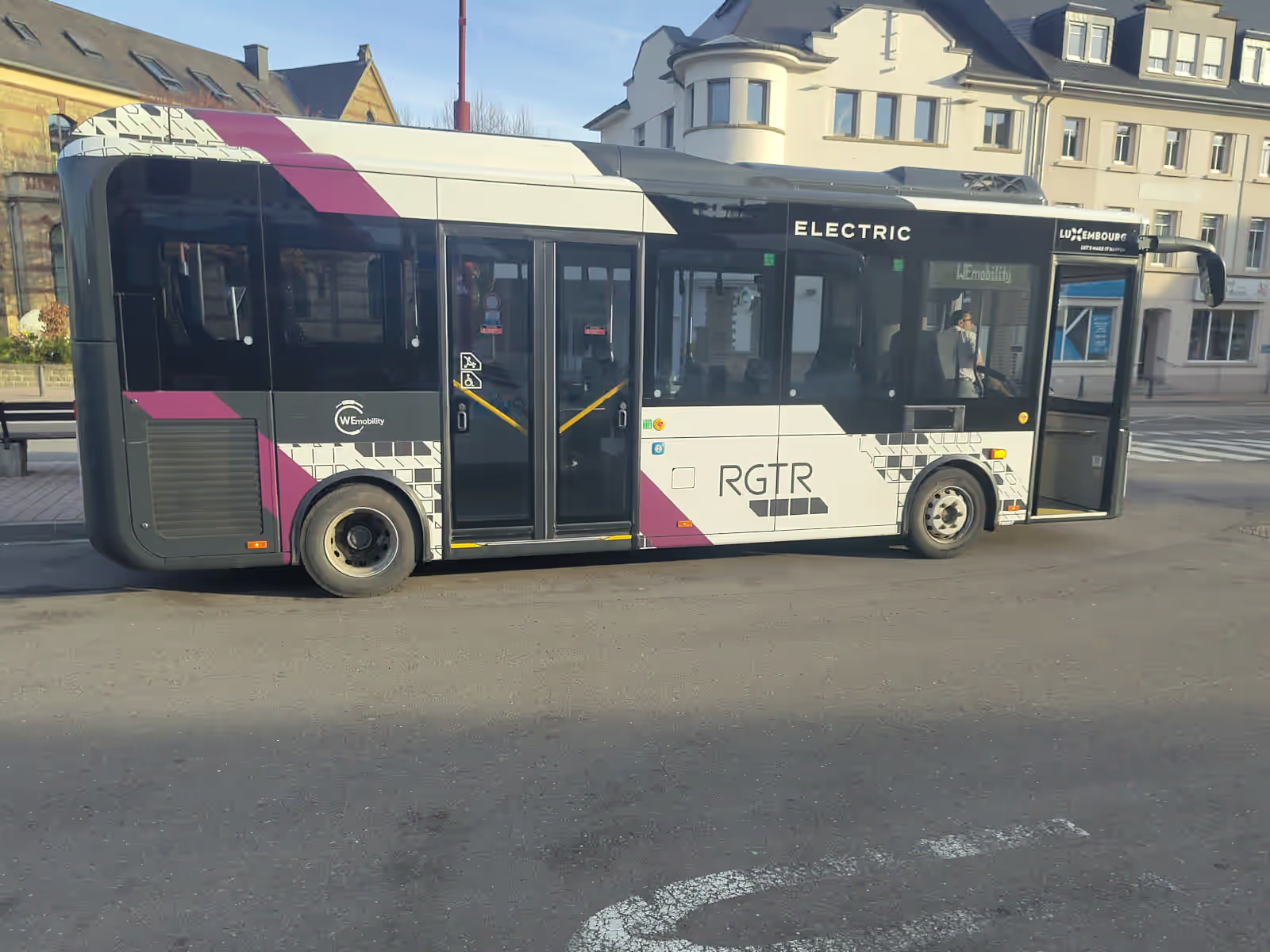
The next day, Sunday April the 5th, I first took the train from Trier to Wasserbillig in Luxembourg, then continued with the free buses to Consdorf and walked from there into the Mullerthal.
Inside the Mullerthal, my first stop was the Schiessentümpel. With its iconic arch bridge and the three small waterfalls below it, it’s the landmark of the hiking region. As it is near a public road, it’s easily accessible for all kinds of tourists and was already quite overrun by noon. Still I enjoyed a short break there and took some nice pictures.
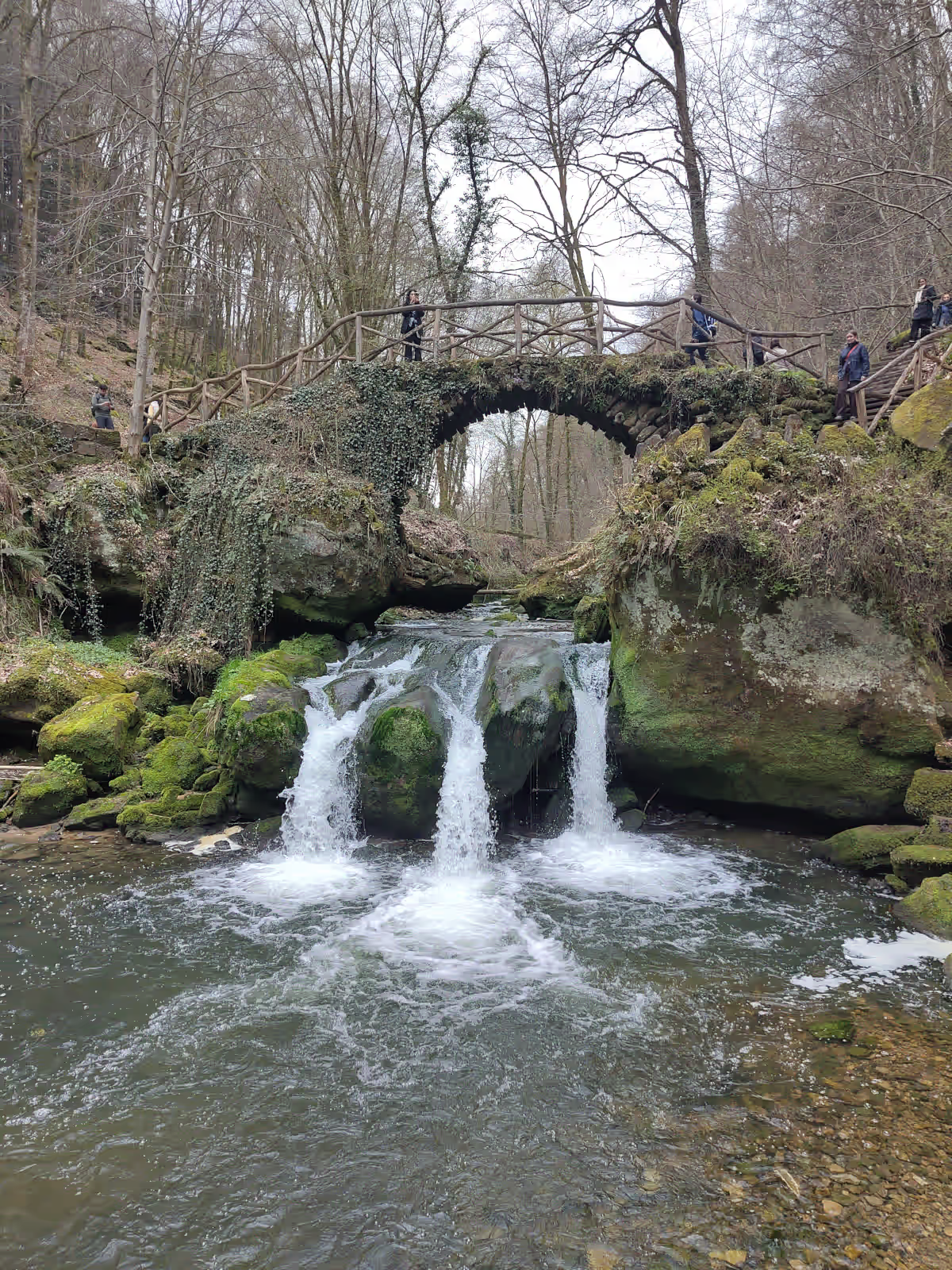
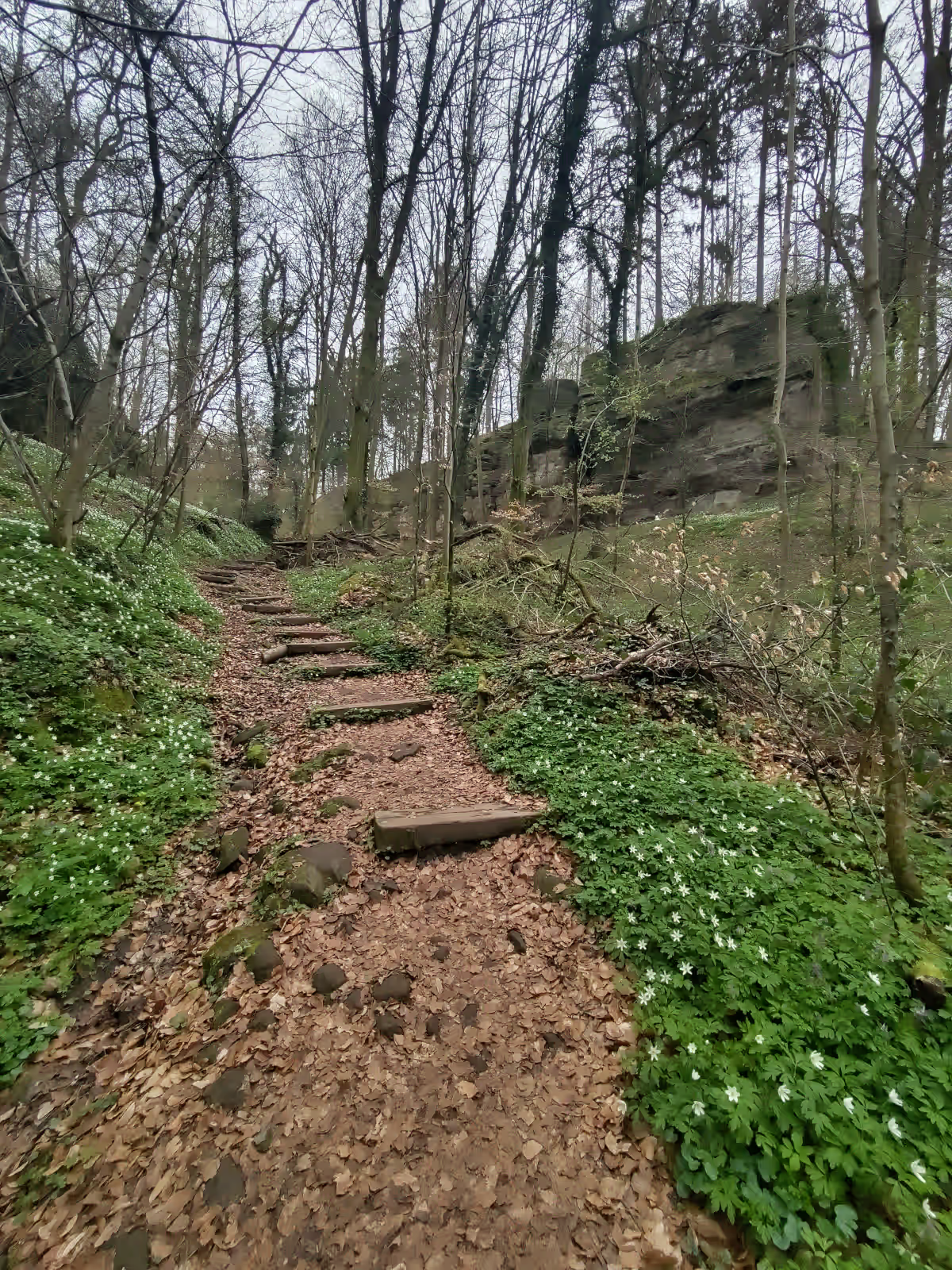
After visiting the Schiessentümpel I continued along smaller trails through the valley. The trails were generally in a good shape and well signposted. The further I got away from the larger roads, the less tourists I encountered. Overall, the region reminded me of the Saxon Switzerland.
“DX-Pedition”
As an amateur radio operator, I had never made a QSO to Luxembourg before the trip, so I decided to bring my radio gear with me and at least work Luxembourg. The notion “DX-Pedition” may be a bit of an overstretch as Luxembourg isn’t that exotic, still it was my first activation outside of Germany.
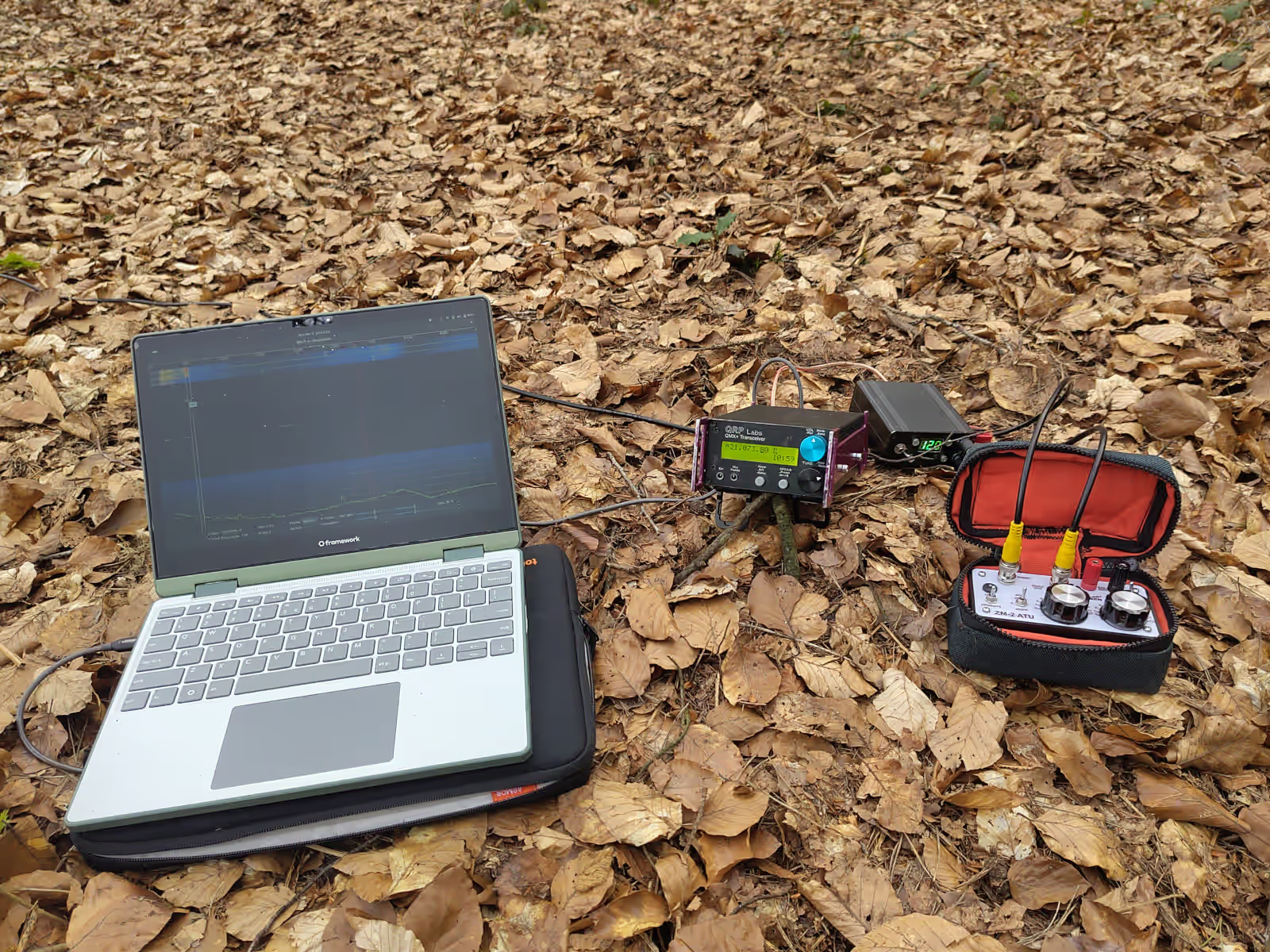
Having never operated abroad before, I had to look up the regulations that apply to that beforehand.
My German Ham radio license (Klasse E) is equal to a CEPT Novice License. The Electronic Communications Committee (ECC) of the Conférence Européenne des Administrations des Postes et des Télécommunications (CEPT) issued its recommendation (05)06 to allow holders of a CEPT Novice License amateur radio operations in participating countries.
Per Point 2, CONDITIONS OF UTILISATION of ANNEX 1 of the recommendation,
operators are required to carry along their CEPT Novice License to the country
they are visiting and present it to the appropriate authorities if requested.
Furthermore, the callsign always needs to be preceded by the prefix of the equivalent
ham radio class in the country visited.
For Luxembourg, this requires me to prefix my callsign with LX6/ - so it became
LX6/DA6KLE.
Despite having some technical issues due to my wire antenna tearing up, I still made a couple of QSOs - and even one to another operator in Luxembourg.
After all it was a short trip with some nice impressions. Because it’s so easy to access, I can recommend it to everybody in the vicinity, who can make the trip there in a day.